



Dr Moira Junge on the science of sleep - and why less effort might be the secret to more rest.
We all know sleep matters — but most of us still treat it as optional. To unpack what’s really happening while we rest (and why winding down is more powerful than we think), we spoke with health psychologist and Sleep Health Foundation CEO Dr Moira Junge about everything that’s on our mind, sleep-wise. Read on as she shares the science — and the small shifts — that can change how you sleep, and how you show up.
On the myths that keep us up at night…
kit: In a culture that celebrates productivity and the “badge of busy,” why do you think sleep is still so undervalued?
Dr Moira Junge: The biggest myth is that we can get by without enough sleep, especially when we’re young. Another is that there’s a one-size-fits-all formula — or that we can “perfect” sleep through effort. Sleep doesn’t respond well to pressure; the more you chase it, the harder it becomes. And no, you don’t need exactly eight hours. For some, six is fine. For others, ten. What matters most is how you feel when you wake.
“Sleep doesn’t respond well to effort — it’s the opposite.
We need to value it, not conquer it.”
On what your brain’s doing while you snooze…
kit: You call sleep the brain’s dishwasher — can you explain?
Dr Moira Junge: While you sleep, your brain’s cleaning crew clocks on. The glymphatic system flushes out waste that builds up during the day — like a rinse cycle for the mind. At the same time, your circadian rhythm keeps every cell in sync with light and dark, using the hormone melatonin as its signal. The result? Rested cells, clearer thinking, better mood, and steadier energy.
“Sleep is your brain’s cleaning time — the night shift that keeps everything running.”
On how lack of sleep shows up…
kit: Beyond dark circles, what really happens when we’re running on empty?
Dr Moira Junge: Mentally, your focus drops, creativity dips, and small problems feel bigger. Emotionally, irritability rises; 60–90 per cent of people with anxiety or depression also experience insomnia. Physically, your immune system weakens and hunger hormones go haywire, making it harder to know when you’re full or resist sugar hits. Sleep deprivation touches every system we rely on.
On habits that secretly steal your rest…
kit: You say it’s not just caffeine or screens — sometimes it’s our boundaries?
Dr Moira Junge: Exactly. The real sleep thieves are often emotional or behavioural: not saying no, not delegating, over-committing. Those choices keep the nervous system wired long after lights-out. Add stimulants like caffeine, alcohol, or constant digital noise and you’ve built the perfect storm. Start by creating space — physically and mentally — for rest.
On the power of rituals…
kit: What does a good wind-down actually look like?
Dr Moira Junge: Consistency is more powerful than perfection. Begin dimming lights an hour before bed to cue melatonin. Take a warm shower or bath to drop your core temperature. Step away from screens; reach for something gentle — reading, stretching, journalling, mindfulness. It’s about linking familiar cues with the idea of rest so your body learns what’s coming.
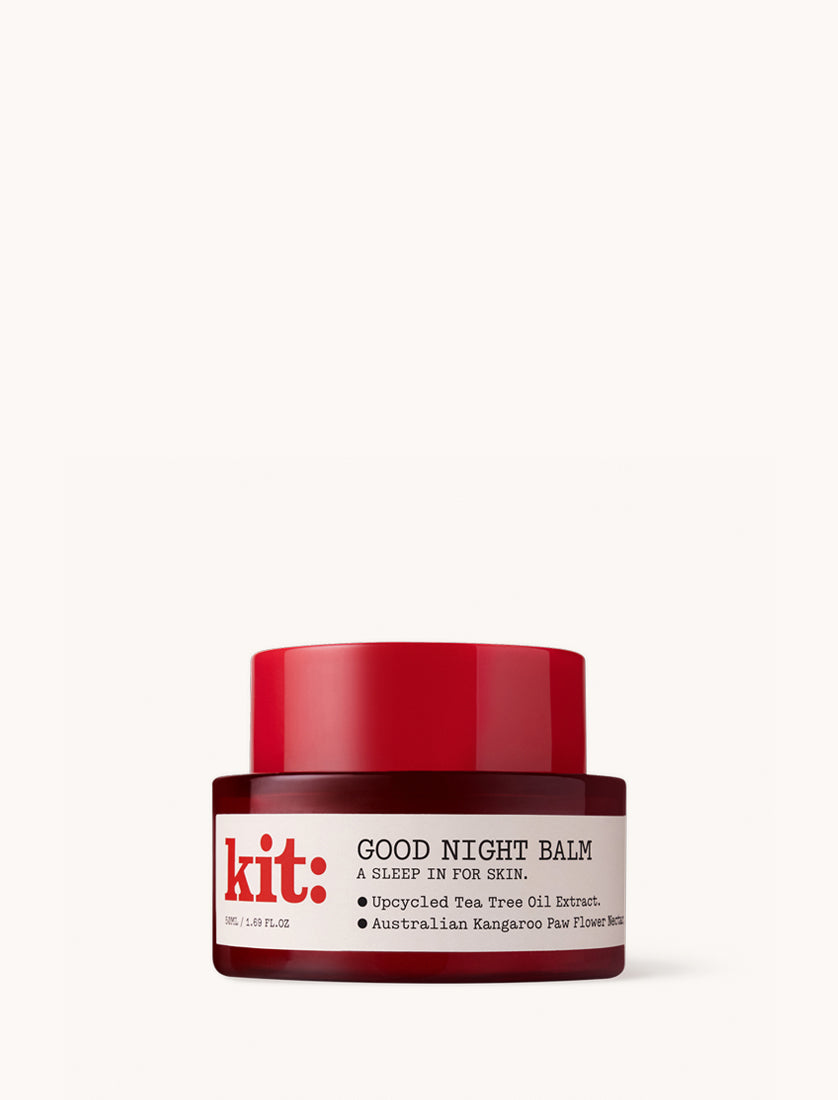
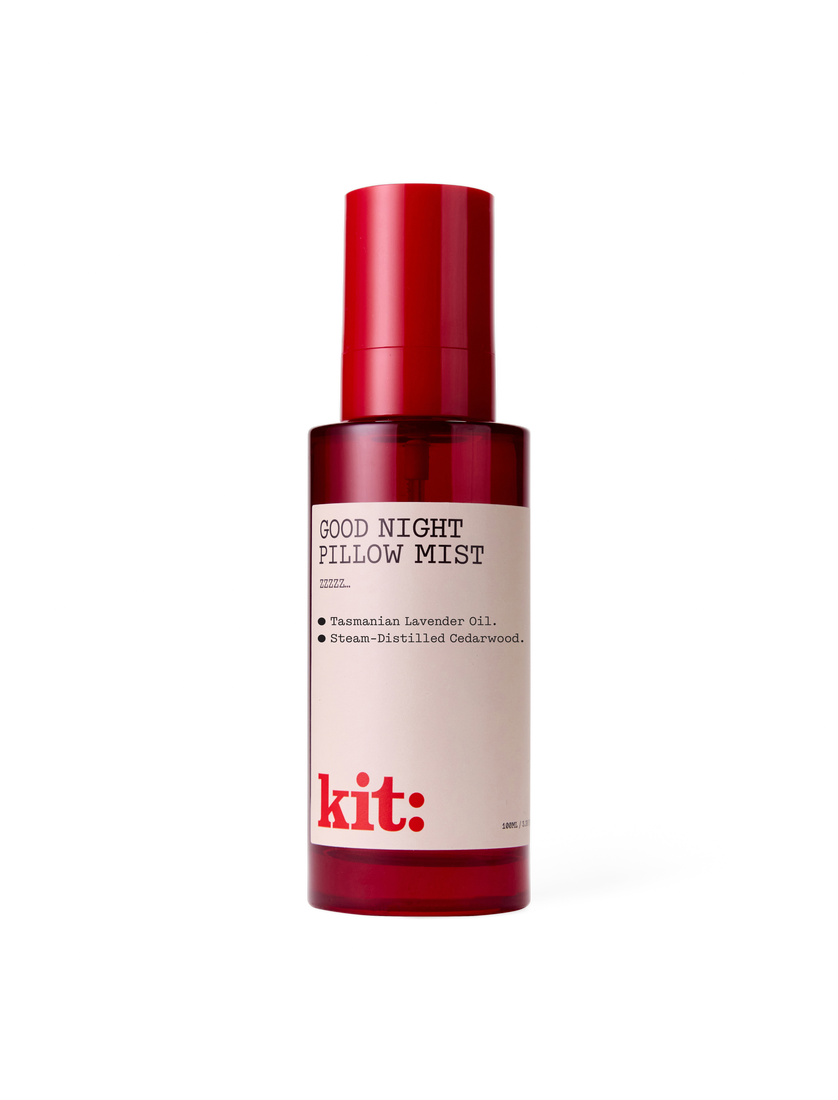
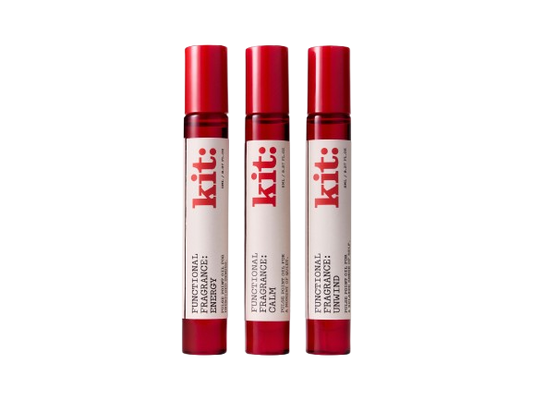
kit: Rituals cue the body to slow down — scent, touch, and repetition all matter. A few calming spritzes of Good Night Pillow Mist or a sweep of Good Night Balm turns “getting ready for bed” into something sensory, not just scheduled.
On small shifts that make a big difference…
kit: What are the simplest science-backed ways to sleep better tonight?
Dr Moira Junge:
- Prioritise a proper wind-down — a buffer between your day and your bed.
- Get natural light in the morning, and keep evenings dim.
- Don’t aim for perfection; waking in the night is normal.
- And remember: good sleepers rarely think about sleep at all. They just let it happen.
On the 3 am mind-spin…
kit: For those lying awake with racing thoughts — what helps?
Dr Moira Junge: Try not to label wake-ups as failure. Keep your eyes closed, breathe, and resist checking the time. If frustration builds, get up quietly in dim light and do something soothing until sleepiness returns, then return to bed. The aim is to reduce effort — sleep will find you once your body feels safe again.
On her own wind-down…
kit: How do you switch off?
Dr Moira Junge: I log off work hours before bed, then solve a quick Sudoku or Wordle — something light that tells my brain the day’s done and I’ve solved all the problems of the world for today. A hot shower is my strongest sleep cue. I read for a few minutes, or listen to a familiar podcast until I drift off.
Ready to make tonight a better night? Try this…
Þ Dim the lights 60 minutes before bed.
Þ Swap scrolling for stretching or reading.
Þ Use scent as a sleep signal — lavender, sandalwood, or your kit: ritual of choice.
Þ Don’t chase perfect sleep; chase calm instead.
“It’s never too late to put sleep and wellbeing at the top of your agenda.”


