





For most of us, breathing is automatic. For Rory, it’s intentional. A performance and wellness coach specialising in breathwork and nervous system regulation, he helps people tap into the power of something they do 23,000 times a day — but rarely think about. His approach is grounded in evidence but shaped by experience. Burned out and battling anxiety while working in corporate London, he was introduced to breathwork as a last resort. One session turned into a full career pivot — from boardrooms to breathwork rooms — and a commitment to helping others regulate, re-energise and reconnect.
Now working with individuals, teams and elite athletes, Rory brings a practical, accessible approach designed to fit real life — whether it’s prepping for a big pitch, winding down after training, or navigating modern-day stress.
For kit:, Rory shares the breathwork basics, why less is more, and how slowing down your breath can speed up everything else.
What is breathwork, and what does a breathwork coach actually do?
Breathwork is conscious breathing. Any time you intentionally change the rhythm or depth of your breath — whether that’s to calm down, energise, focus or reset — that’s breathwork. It’s not one technique; it’s an umbrella term that covers everything from slowing the breath to regulate stress to speeding it up to boost performance.
Unlike meditation, which I consider more passive, breathwork is active. You shift your body and brain in real time — you put the work in.
As a breathwork coach, I support people in all kinds of settings, using evidence-based techniques to improve mental health, performance and overall wellbeing — to help people show up as their best.

How does breathwork connect to wellbeing, and can it help us manage stress in everyday life?
We live in a world that’s always go-go-go, and a lot of us are operating in a constant state of low-level stress. The moment you feel overwhelmed or anxious, your breathing becomes short and shallow. Breathwork lets you intervene before that spiral starts — or interrupt it when it does. Becoming aware of your breathing is the first step — as you notice your breathing has changed, just slow it down. Even three slow, deep breaths can lower your heart rate and bring your nervous system back into balance. You can use it proactively or reactively, and it helps with overall resilience, so you feel happier, healthier, and well.
You're an ultramarathon runner — do you use breathwork to support your performance?
Breathing while running is so overlooked. Learning how to breathe more optimally — especially through your nose — can improve endurance, reduce fatigue and help you perform at your best for longer. When you breathe through your nose, you stay more hydrated, and you stimulate less of a stress response. Mouth breathing spikes your heart rate, which is the opposite of what you want for endurance. I even ran a half marathon with my mouth taped shut just to prove the point. But performance isn’t just about the race — it’s about recovery.
Speaking of recovery, ice baths are a popular wellbeing practice — how do you prepare for controlled stress?
Your breath is the one constant. If you can keep your attention on your inhale and exhale, the experience becomes more manageable. You start to forget about the discomfort or distraction that’s happening around you — like the shock of an ice bath. Slow, controlled breathing helps regulate your nervous system and shifts your focus back inward.
That same principle applies to recovery after exercise. The moment your workout ends, your recovery begins. If you’re still panting or breathing through your mouth, your body stays in that activated, sympathetic state. But if you slow your breath down and start breathing consciously, you begin to downregulate — and that’s where proper recovery happens. It helps you perform better the next day, and improves your sleep too.

Tell us more about the benefits of breathwork to support sleep.
Because of the fast-paced world we live in, many people find it hard to switch off. You’re thinking about what you should’ve done that day, what you haven’t done, making lists for tomorrow… Breathing brings you into the present moment. As spiritual as it might sound — not thinking about the past, not worrying about the future — it centres you in the here and now. And that creates calm. That’s how I use breathwork before bed: to slow everything down, bring balance back into the system, and improve the quality of sleep.
What’s one of the biggest misconceptions about breathwork?
That more is more. People think the more they breathe, the more oxygen they’re getting — but it’s actually the opposite. Fewer, slower breaths can lead to better oxygen delivery. It’s a physiological effect called the Bohr Effect, and it’s been around since 1904. Less breath, more oxygen. It’s science — not just opinion.
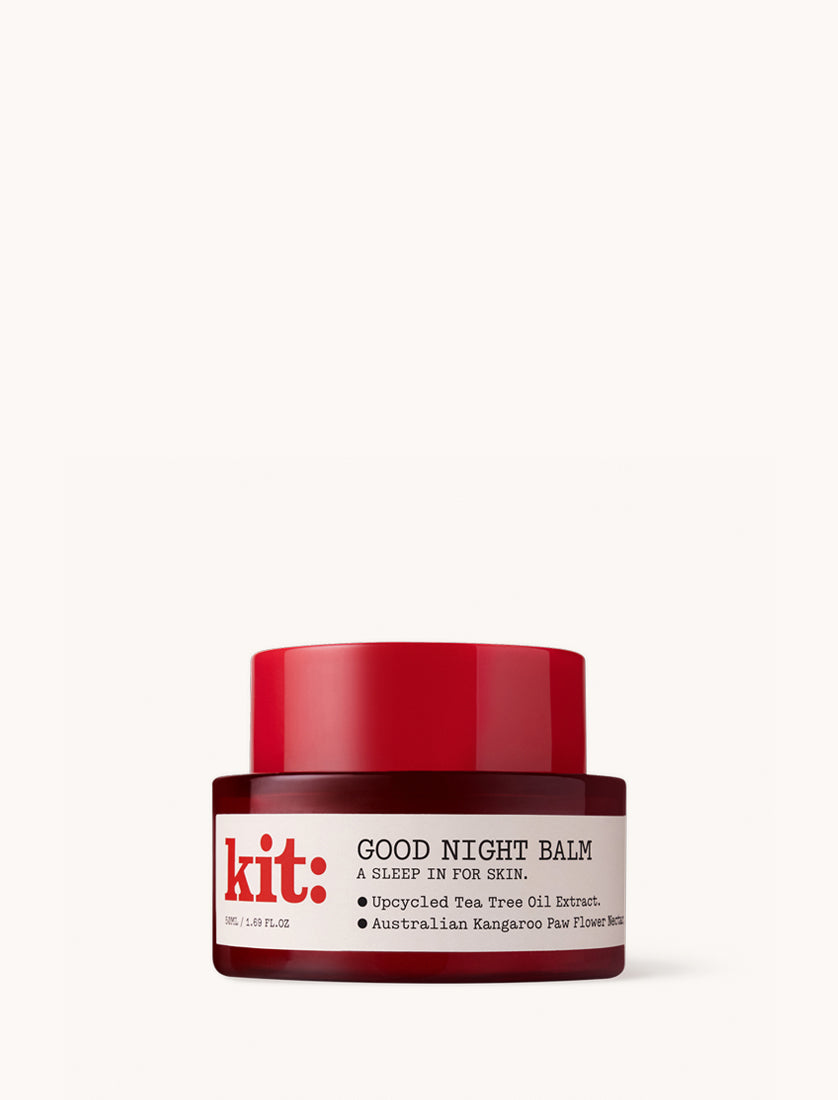
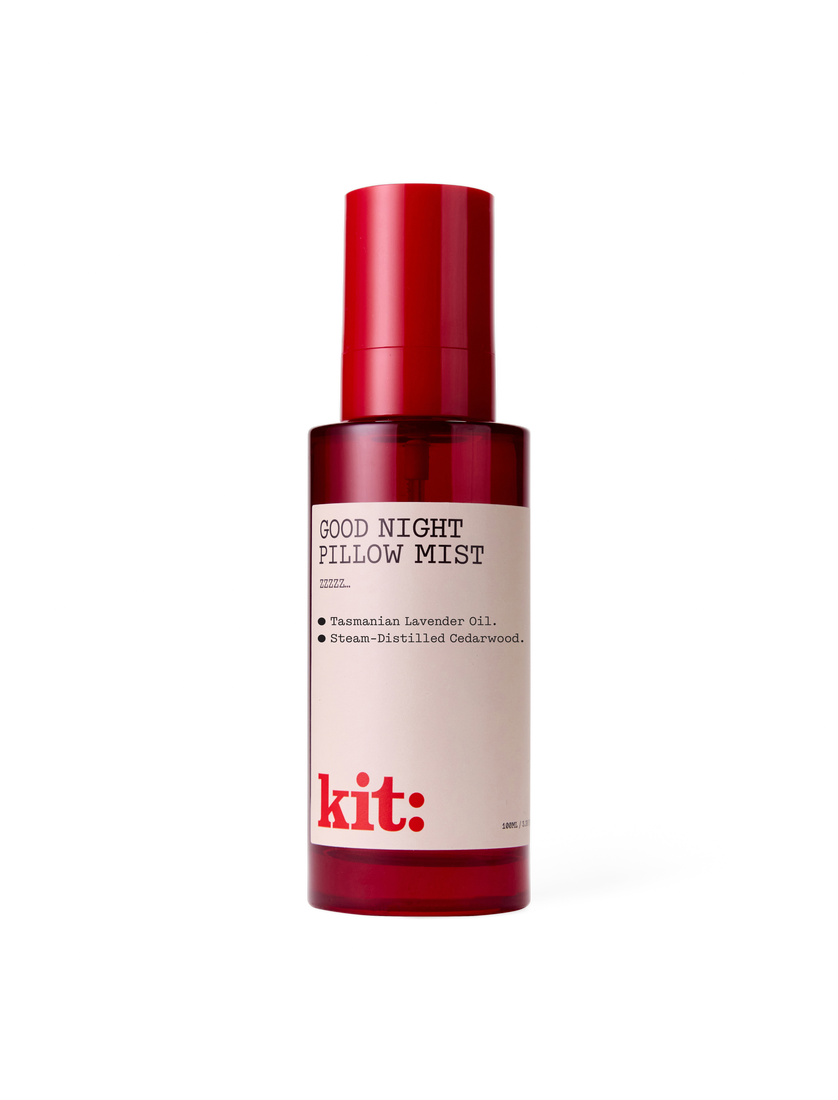
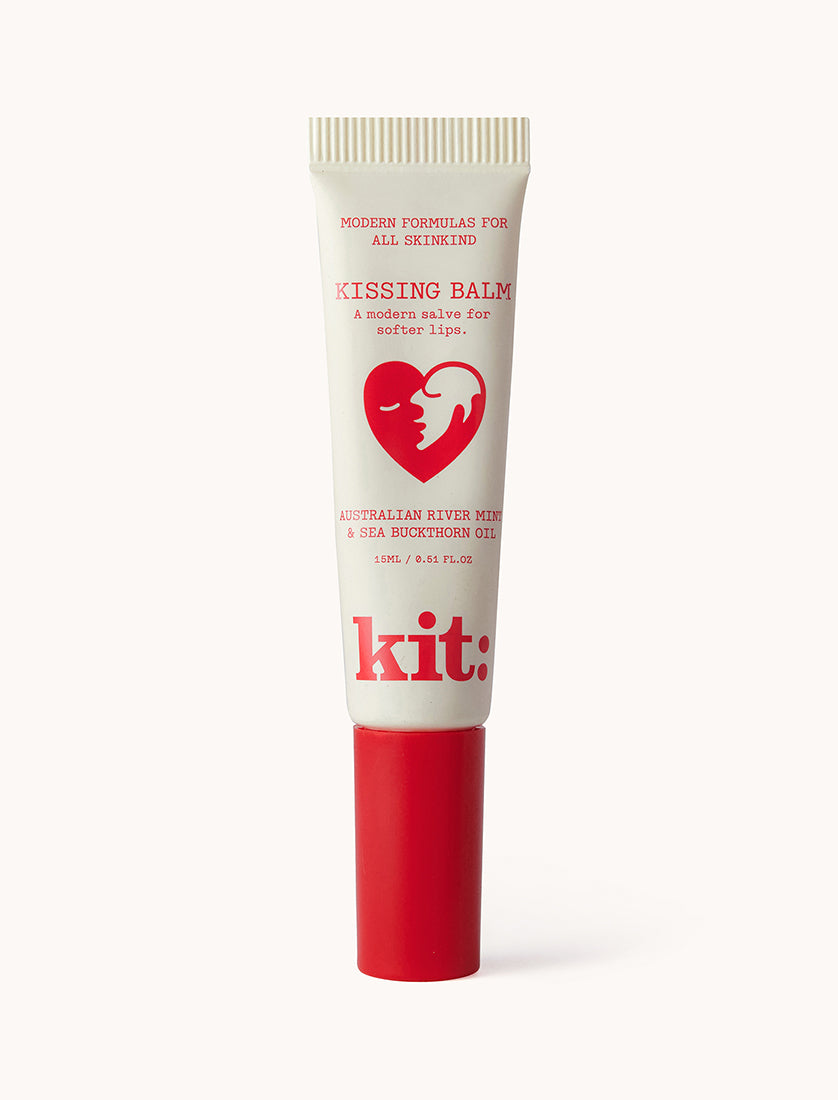
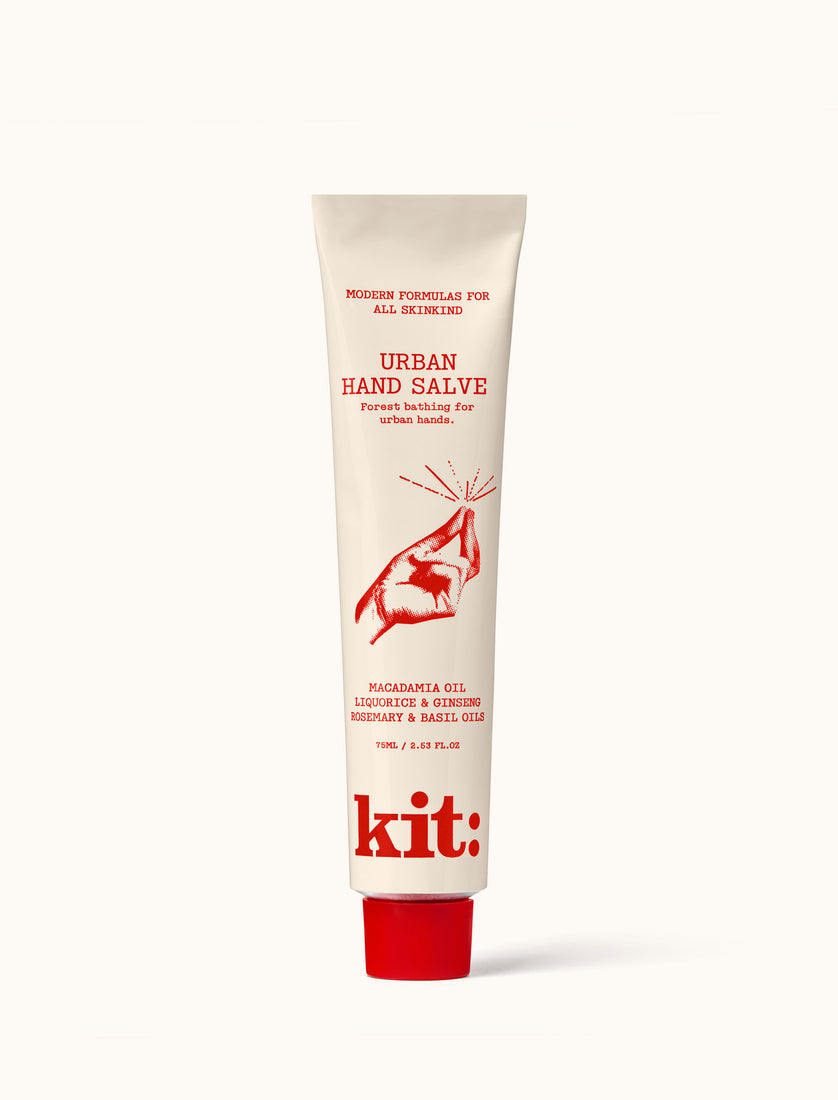
In Rory’s kit: A breath of fresh air.
Rory’s philosophy is simple: your breath is your most accessible tool for feeling better — physically, mentally, and emotionally. Through practical, science-backed techniques, he helps people build calm, focus and resilience from the inside out. Whether it’s managing daily stress, recovering after a workout or winding down before bed, his work is about real breathing for real life — not just something you do on a mat.
Explore more from Rory at rorywarnock.com
This series was created by kit: in paid partnership with members of our Council — four independent wellbeing experts. While kit: funded and directed production, the content was shaped by the talent’s own experience and expertise.


